A recent news item by the Punch Newspaper was about what Mr. Paul Kalejaiye, a member of the House of Representatives representing Ajeromi-Ifelodun Federal Constituency in Lagos State had said.
According to the report, Kalejaiye was addressing a section of the Nigerian youths when he urged them to consider acquiring skills and staying back in Nigeria instead of traveling abroad (“japaing” in a popular Nigerian street lingo).
The parliamentarian is quoted to have said as follows:
Unfortunately , the japa syndrome has become phenomenal in recent times. People Japa because they believe there are greener pastures and that Nigeria offers nothing. But I want to encourage them to say that Nigeria offers the best. Even the japa we are talking about, you see graduates go there to wash coffins, do security jobs and others. These are menial jobs they don’t want to do here but when they get abroad they do just any job to make money”.
The newspapers couldn’t have reported what the audience had in mind upon hearing this admonition. But if you want to have a clue as to what the youthful audience had in mind, go to any of the social media pages where the news item is being discussed.
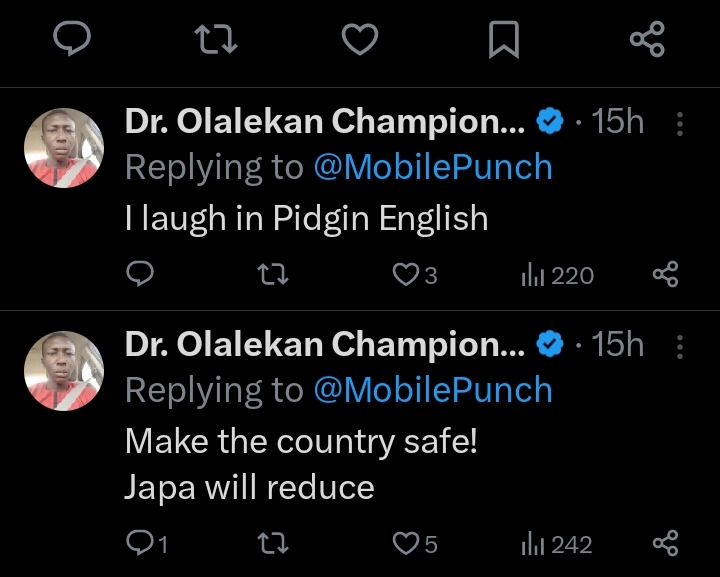
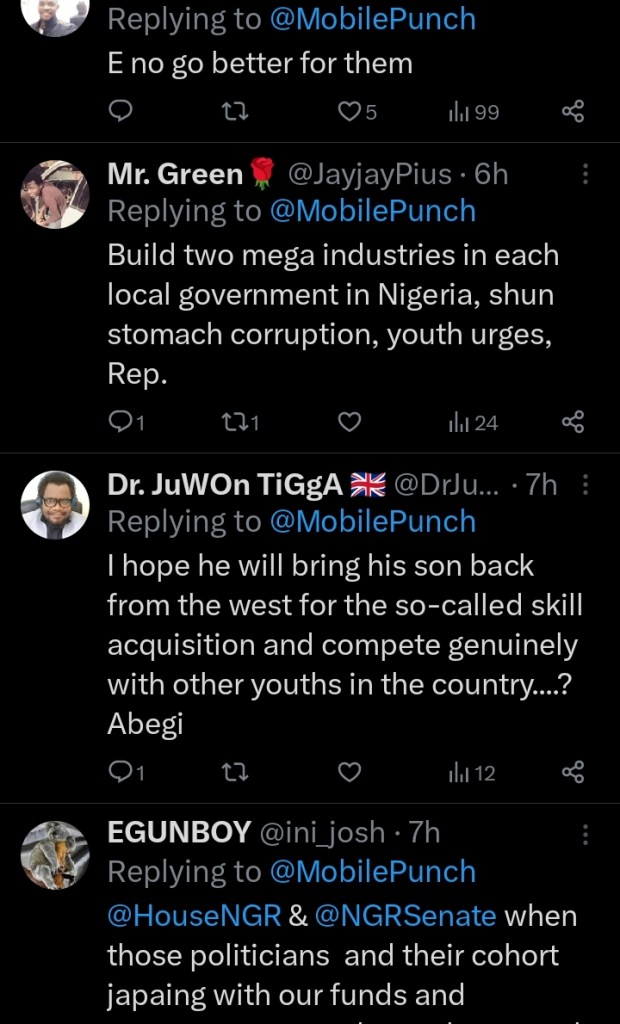
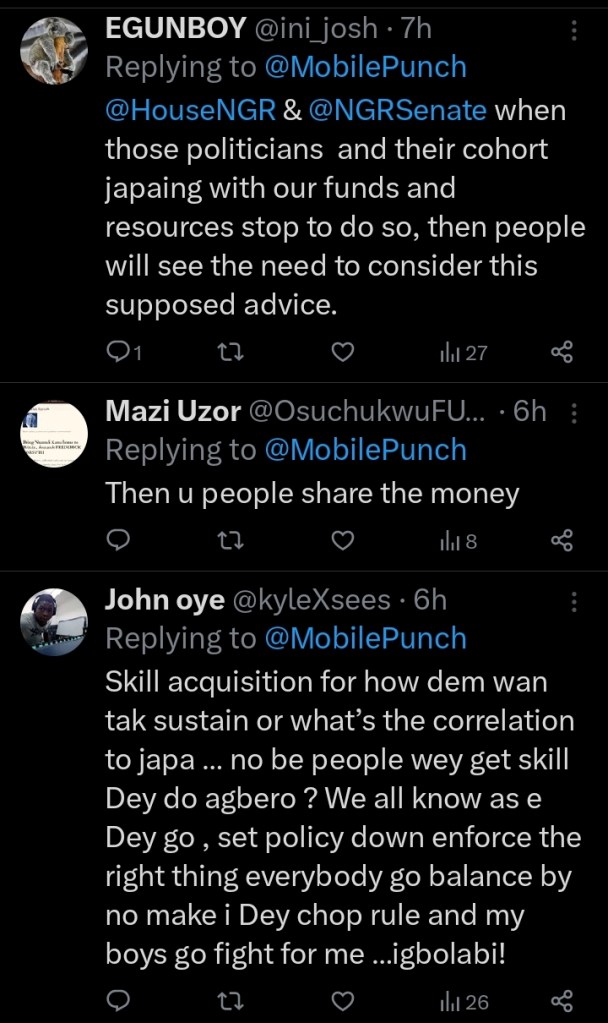
I monitored the comments on X and here are some very representative ones:
After studying the comments, I came to realize something: We can use the Japa Syndrome (as well as the ‘Yahuu Boys’ menace) to a lot of economic advantage in the country. Let me explain this briefly in the following paragraphs:
Skill Acquisition Programs
In Nigeria, various governments (local, state, federal) as well as NGOs, often come up with ’empowerment programs’ for the youths. That’s commendable. But, I think it needs some rethinking. How?
Let these empowerment programs encourage the youths to acquire top skills that are currently in-demand in the world market instead of already saturated local skills as is often the case. For example, since many of these youths obviously have a flair for using computers, they can be helped to learn skills related to cybersecurity, machine learning, cloud computing, data analysis, etc.
Then, through a well-planned loan scheme administered using the BVN and NIN databases, the government can provide infrastructure and equipment for a good number of the youths to work remotely from Nigeria following the ’empowerment program’. Even if some of the youths decide to travel overseas, they can work in those roles instead of doing menial jobs that lower Nigeria’s international reputation.
Let these empowerment programs encourage the youths to acquire top skills that are currently in-demand in the world market instead of already saturated local skills as is often the case.
Effect On Nigeria’s Forex Outlook
Through the above measures, Nigeria is certain to become one of the major exporters of tech skills. Clearly, this will help a lot in beefing up Nigeria’s foreign exchange outlook. It even seems that this is going to have a greater foreign exchange impact for the Nigerian economy than crude oil or any other natural resource.
Actually, enormous youthful population and energy constitutes one of our exportable products that are wasting in great amounts across the length and breadth of the country. So, instead of always seeing this only from negative perspectives, let us see how we can transform it to a lot of economic advantage as proposed here.
Other Advantages Of Doing This
Implementing the above proposal is certain to have a considerable positive impact on the local economy. But this impact is not only in the area of foreign exchange. Instead, with time, this will help to raise Nigeria’s international reputation as a country that is popular for providing needed tech values across the world.
On the reverse side, this will gradually stem the tide of the internet fraudster menace that is currently endangering Nigeria’s diplomatic health.
Moreover, the current government would become very popular among the youthful population for doing this. Above all, Nigeria would have achieved a lot of economic quantum leaps without having to spend too much.
To Nigerians: Help the Governments To Help You
As an individual Nigerian, if you agree with this proposal, the way to show your support is to help share it until it gets to the authorities. The more this proposal spreads, the more it becomes obvious to the governments that a good number of Nigerians want things done this way. Thanks.
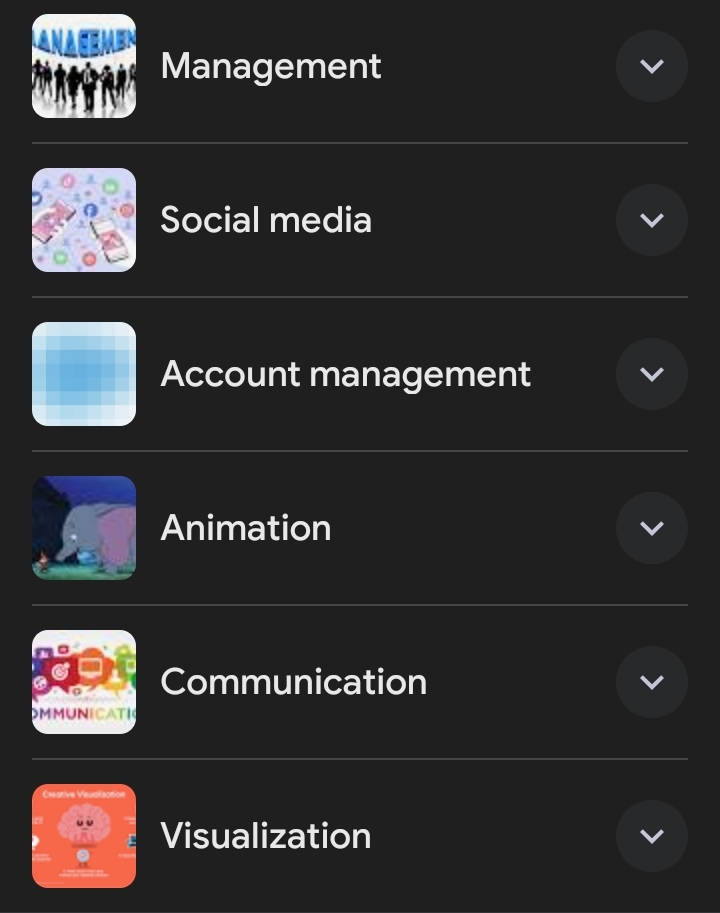
Meanwhile, in case someone wants to know, here are the current most in-demand skills across the global job market according to Google’s AI bot on Christmas Day 2023:
END NOTE: The author of this article would be willing to assist any governmental or non-governmental entity in any aspect of the implementation of this proposal all for free. Therefore, for this and any other reason, anyone can reach the author of this article via eupt.ng@gmail.com
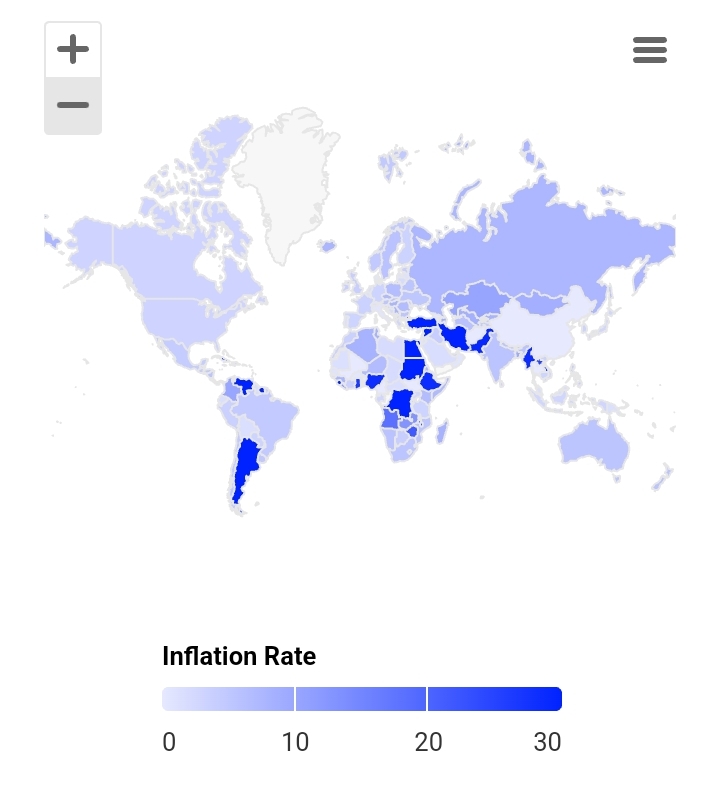
A look around the world shows that deep blue countries and regions are a handful. So, this is to help citizens in those countries to overcome a hyperinflation and still thrive right through and afterwards.
As we #killhyperinflation one country after another, we will eventually have a world without such economic woes. Please, see writing that long #tag as a price you are paying to help make this new era get born.
Below is Trading Economics’ inflation map of the world as we publish this information. The bluest regions have the highest inflation rates:
If you want to rise above the situation in one of the economies where inflation has run rife, the first step you must take is to understand what is happening to you.
Do all it takes you to arrive at this. Then, take action accordingly. That’s what I’m here to talk about.
To understand what is happening to you in a hyperinflated economy, you must first understand what hyperinflation is essentially. A hyperinflation simply means that a unit of the local currency now buys far less than it used to and less than the average currency out there.
Thus, the effect of such a downtime gets worse when an economy is import-dependent. Ironically, hyperinflated economies are often import-dependent.
Once you know that your money in your bank, in your bag and in your bunker has lost value to the rate at which the economy is inflated, you must take two steps:
STEP 1: Save what is left of your money from further devaluation at the global rates. How to do that is to save your money in a globally recognized currency that is widely speculated to enjoy stability in the immediate or near future. It doesn’t matter if it is fiat or crypto currency. What matters is that you have enough information from experts to trust that that refuge currency would stay stable and valued in the near or immediate future.
STEP 2: Earn at global rates. This is to say that you need to earn considerable amounts in a stable globally recognized currency. Again, it doesn’t matter whether it is fiat or cryptocurrency.
For a favorable option to fulfill both steps, you are advised to join DNC Network’s free holiday video lecture on a new perspective on the questions. Try to learn this simple thing that gives you a lot of economic advantage in the next dispensation kicking off in 2024. Then, take time to go through the following supporting elite pages:
Luckily for the people of this age, the economy is very much globalized now. Where unnecessary boundaries used to exist, cryptocurrency has come to break those boundaries. As the Bloomberg writer above noted, crypto’s history of hyperresilience more than strongly indicates that it is not going anywhere any soon.
And, awareness is your greatest power in the emerging Web3 Economy. Therefore, to record continuous success after taking the above two steps, all you need is to stay informed – qualitatively and quantitatively – about major happenings in the global economic news and views. Yes, because you know, this is also the information age.
The last time I can remember when a globally renowned outfit ranked African universities based on their aesthetic outlook was in November 2018. It was a top-10 review by The Times Higher Education. In that publication, the media outfit clarified as follows:
We know that you shouldn’t really pick a university based on how pretty it is, but it is also important that you find a university environment that aligns with the type of experience you want to have. Whether it’s out in the mountains or in the middle of a city, a university’s setting can play a huge part in your experience as a student.
Believe it or leave it, the beauty – or otherwise – of a learning environment matters beyond what most people may want to acknowledge. For one thing, it can go a very long way in enhancing or impeding the rate and the quality of information consumption and retention.
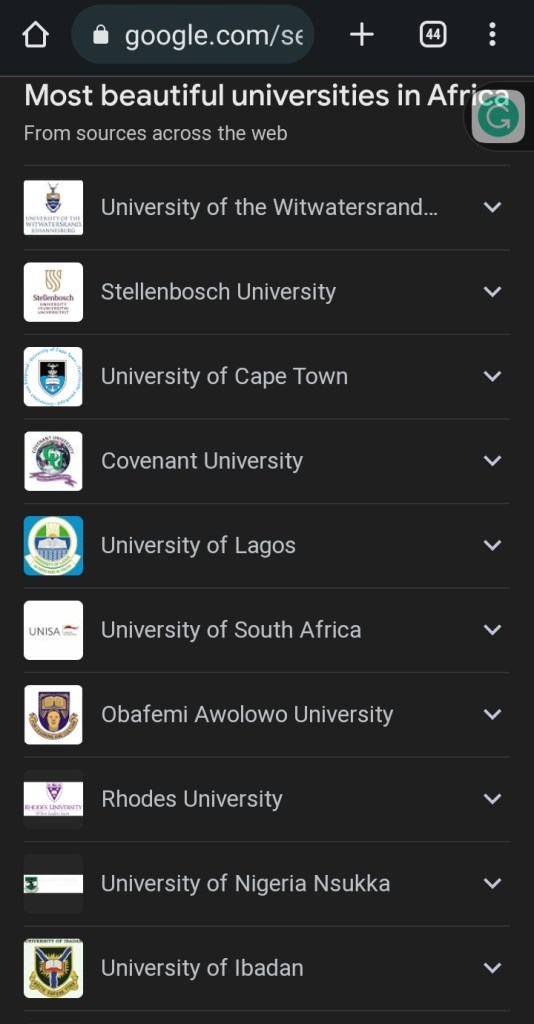
No doubt, it’s the reason some of the most serene and sane surroundings the world has to offer are within and around the topmost halls of ivy. Thus, this brings us to the topic of the day: The 10 most beautiful universities on the continent of Africa in 2023, according to an AI-based ranking by Google.
In the 2018 ranking by The Times Higher Education, the top ten slots on this enviable list was occupied by only 5 out of the 54 countries on the continent representing a negligible 9.2%: Nigeria got 4, South Africa 3, while Ghana, Senegal, and Uganda got 1 each.
Although the list has been reshuffled a bit in the November 2023 ranking by Google, this kind of extreme monopoly got even worse. This time, the top ten slots are shared 50/50 by only 2 of the 54 African countries (Nigeria and South Africa) representing a mere 3.7%. It makes one wonder if only a negligible fraction of the African countries are paying more than an average attention to higher education:
Here Is The Current Google Ranking Of African Universities Based On Their Aesthetics
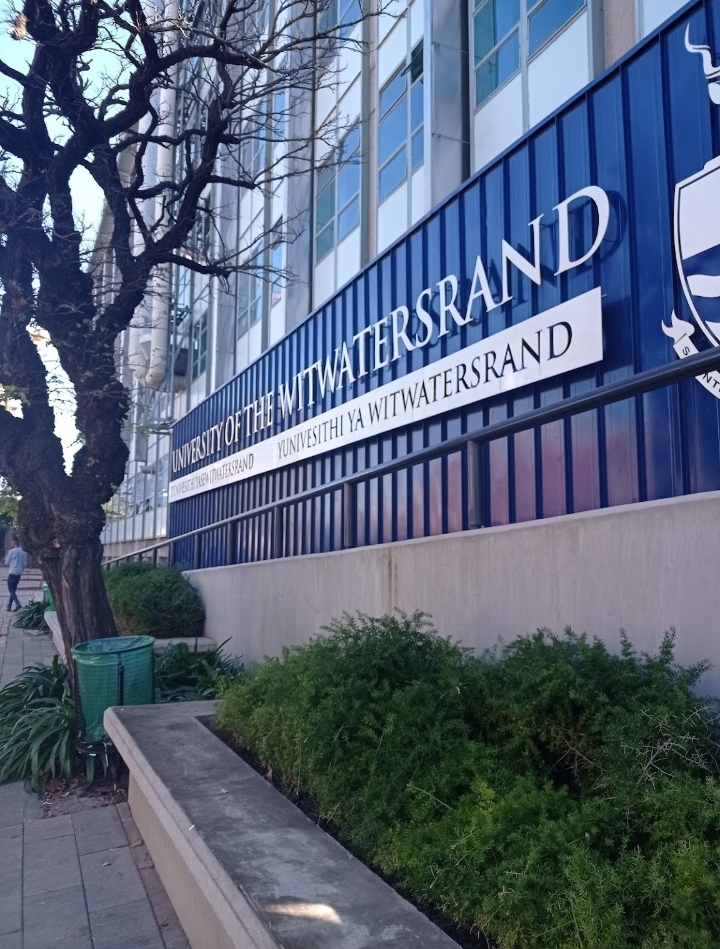
1. University of the Witwatersrand
Image credit: Admire Mlalazi
Popularly known as Wits University and deeply rooted in the mining industry, the University of the Witwatersrand is located in the Johannesburg region of South Africa.
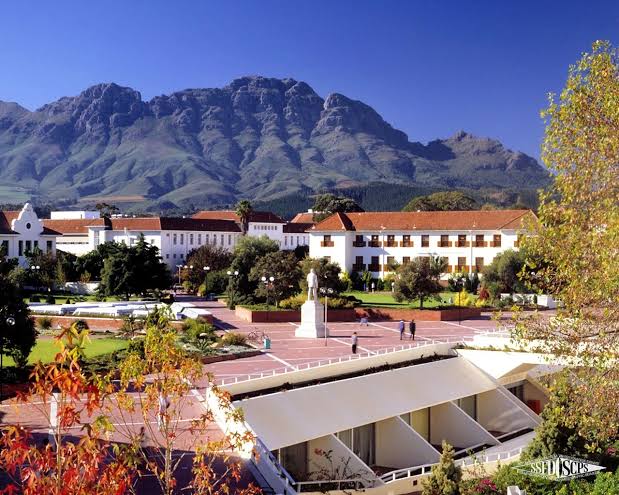
2. Stellenbosch University
Stellenbosch University students’ accommodation. Image credit: Wise Move
Together with the University of Cape Town, Stellenbosch University is the oldest university in South Africa as well as the oldest living university in sub-Saharan Africa having been raised to a full university status in 1918. It is located in Stellenbosch, a town in the Western Cape Province of South Africa.
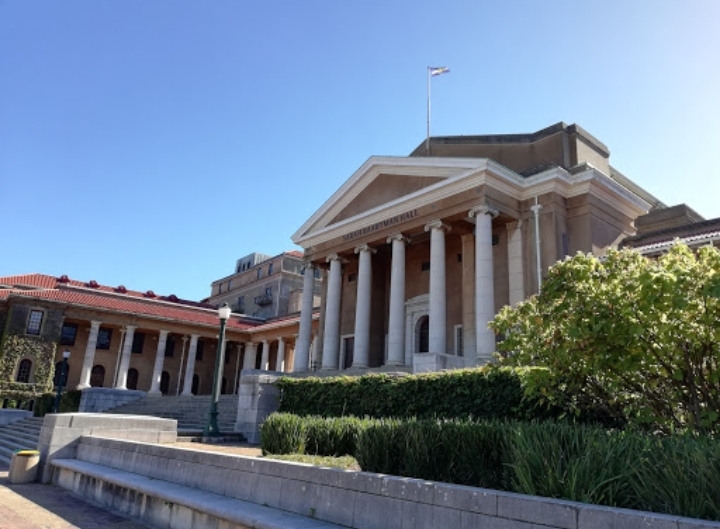
3. University of Cape Town
Image credit: Warrenski on Flickr
Image credit: Daniel Martin
As earlier said, the University of Cape Town (UCT) is the oldest living university in sub-Saharan Africa and the oldest in South Africa together with the University of Stellenbosch.
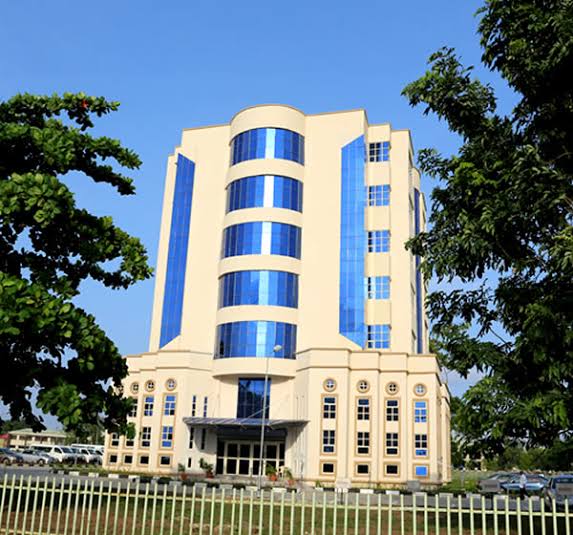
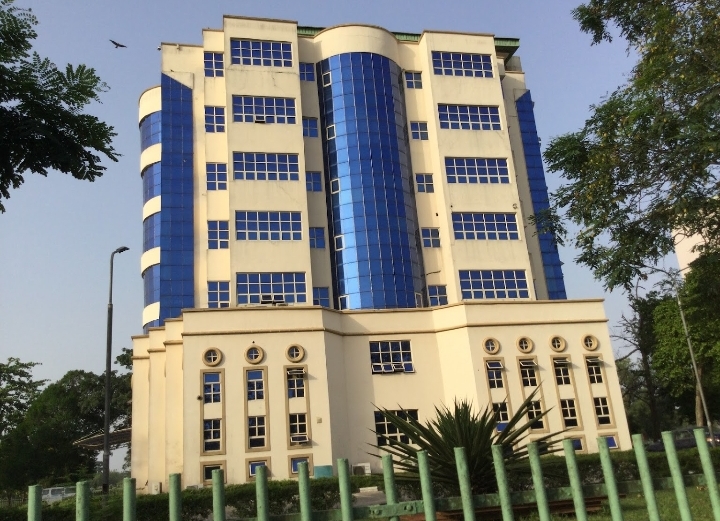
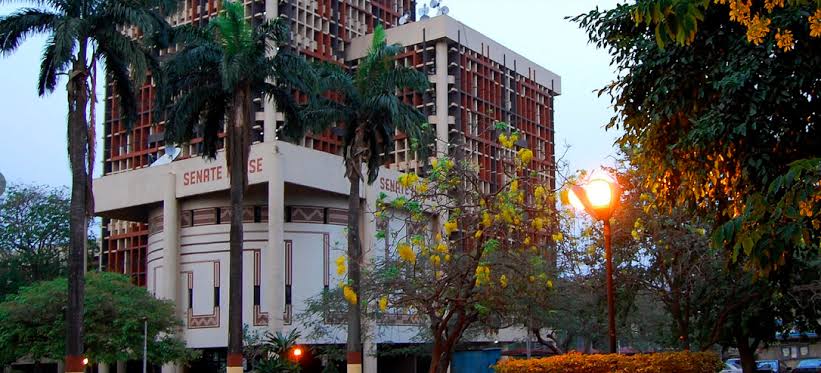
4. Covenant University
Covenant University senate building. Image credit: Covenant University
Image credit: John Ajiboye
Covenant University is the only private uni and the first outside of South Africa to make this list. It is a Christian-themed citadel in Ota, a town located about 26km from Lagos, Nigeria’s foremost commercial hub.
5. University of Lagos
Image credit: Premium Times
University of Lagos is a public research university located in Nigeria’s commercial city state of Lagos. It was established in 1962.
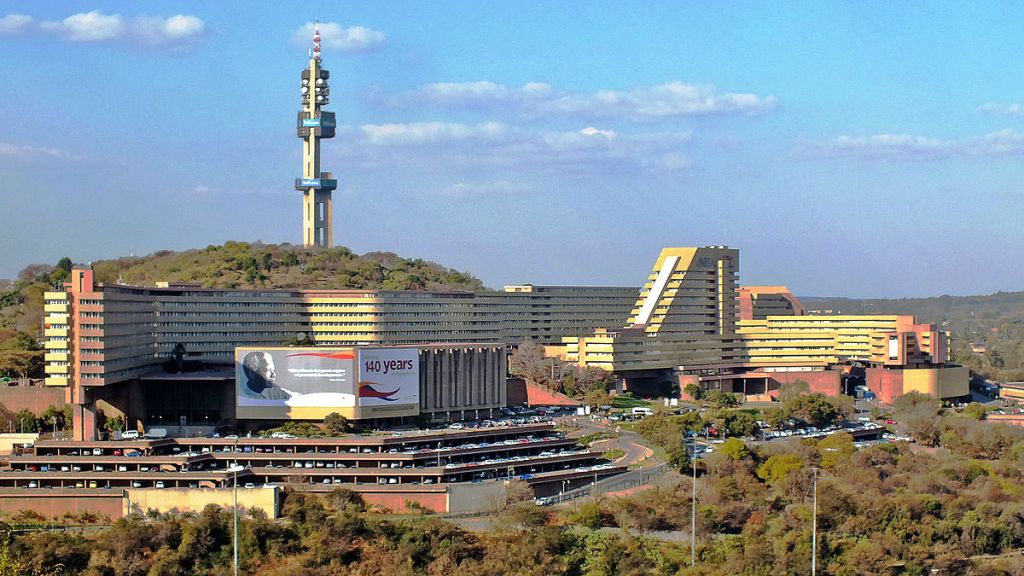
6. University of South Africa
Image credit: Wikidata
Formerly known as the University of the Cape of Good Hope, University of South Africa (UNISA) is a mega university incorporating numerous campuses, colleges, and affiliates. With an enrollment reaching as high as 400,000, it welcomes students from over 130 countries across the world. It is the largest university in Africa by population.
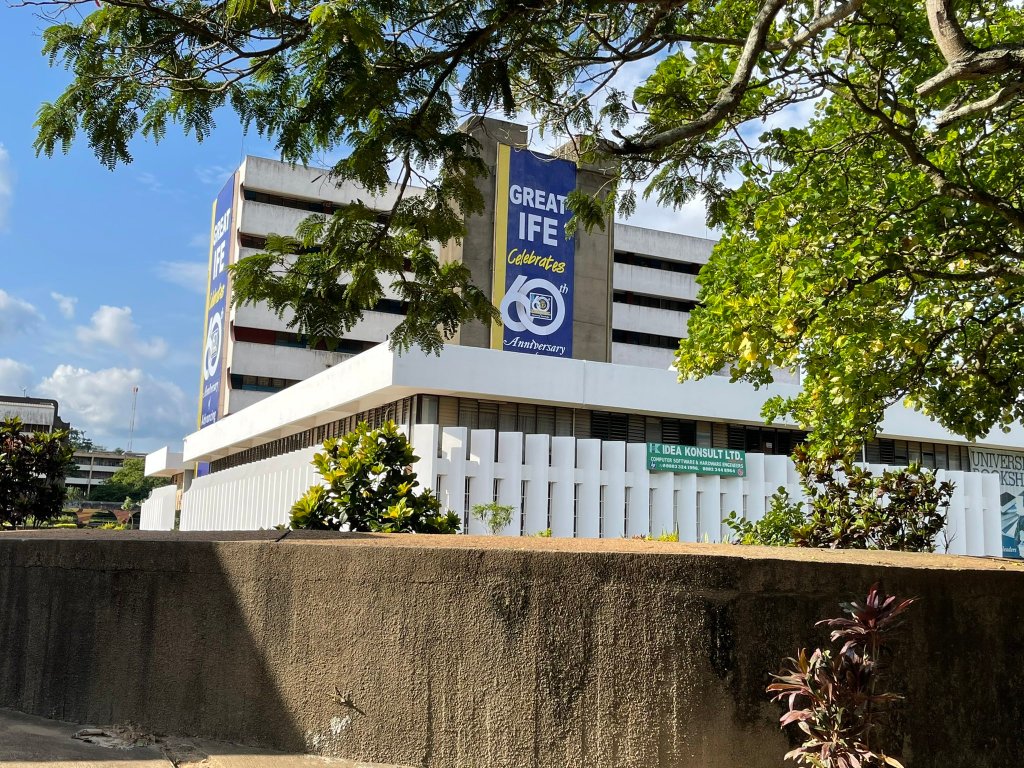
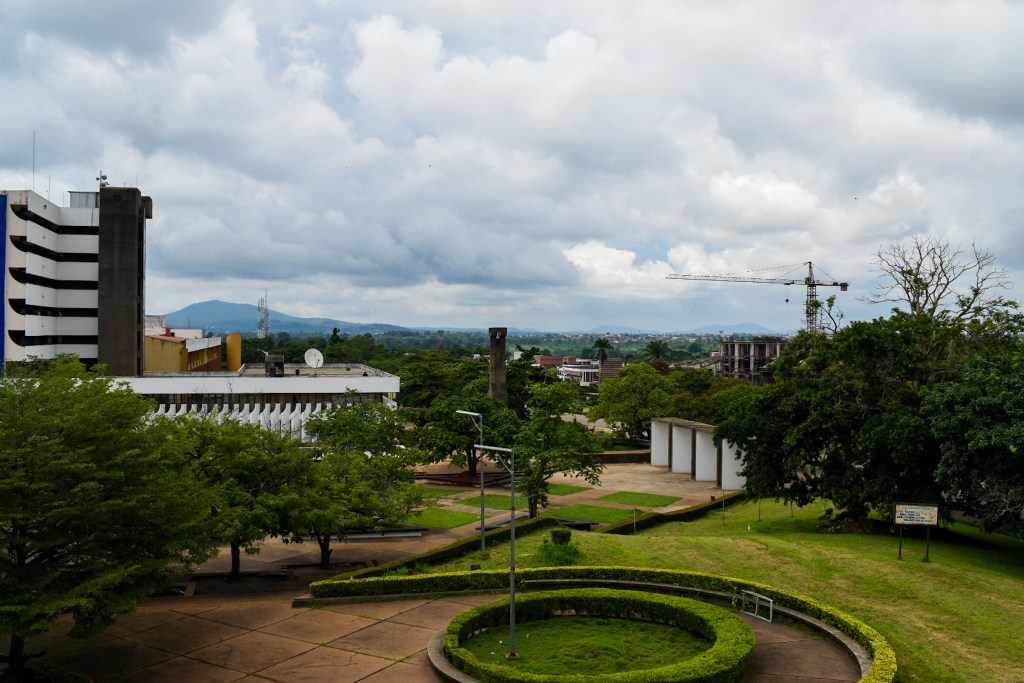
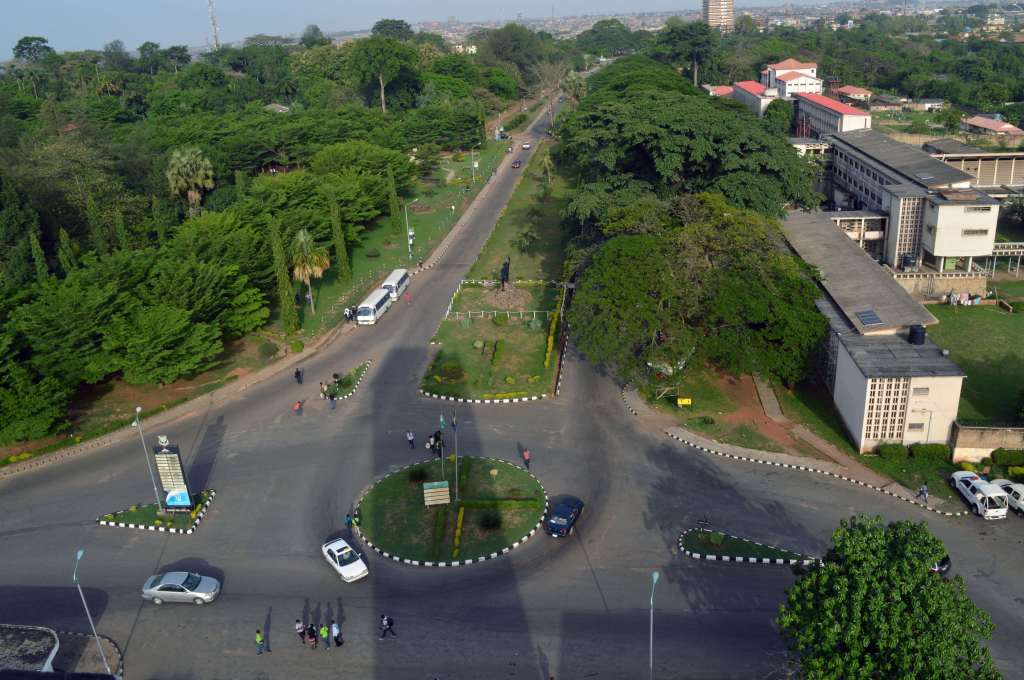
7. Obafemi Awolowo University Ile-Ife
Image credit: Obafemi Awolowo University
Image credit: Wikipedia
Formerly known as the University of Ife, Obafemi Awolowo University (OAU) was established in 1961. It is a public university located in Ile-Ife, a town in the southwestern region of Nigeria.
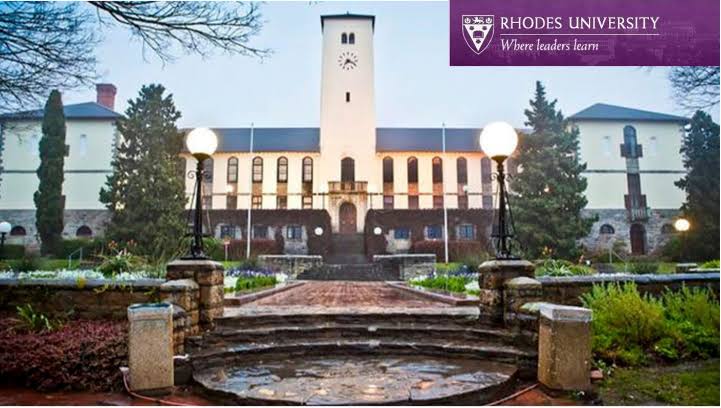
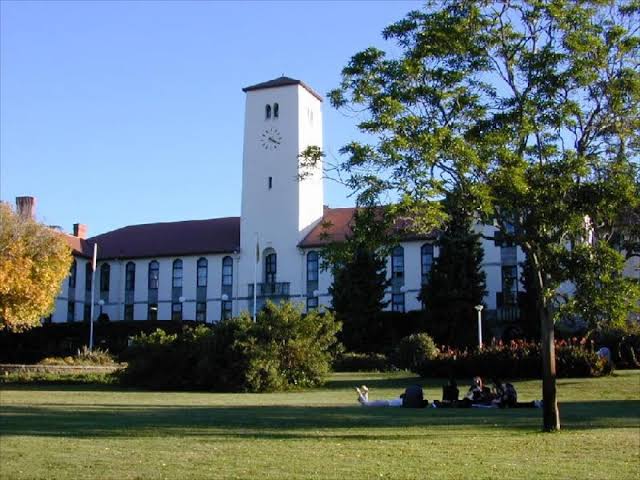
8. Rhodes University
Image credit: South African History Online
Image credit: HeraldLIVE
Founded in 1904 as Rhodes University College, Rhodes University is a public university located in Grahamstown (Makhanda), a town in the eastern Cape Province of South Africa.
9. University of Nigeria Nsukka
Image credit: University of Nigeria Nsukka
University of Nigeria Nsukka (UNN) is a public university located in the town of Nsukka in the southeastern part of Nigeria. It was established in 1955.
10. University of Ibadan
Image credit: Wikipedia Commons
Established as a college of the University of London in 1948, University of Ibadan was raised to the status of a full-fledged university in 1962. It is located in the southwestern region of Nigeria and it is the oldest degree-awarding institution in the country.
As the year 2020 draws to a close, it’s time for stock-taking. If you were asked to name what has been the most discussed topic during the year, what would it be? No doubt, it could hardly be any other than the Wuhan Virus? Experts have told us how important our hygiene is in combating the pandemic. However, if it all boiled down to hygiene, perhaps, Africa would be considered the best in the world contrary to the general belief that the continent is full of filth. Whatever be the case, most of us would surely acknowledge the high importance of environmental cleanliness in our mental and physical health as well as our general well-being. It’s surely why some people would choose to stylize the phrase ‘environmental health’ as ‘environ’Mental health’.
So, we found it necessary to compile the cleanest cities on the continent of Africa during the COVID-19 year. These cities have been selected mainly based on several sources as well as on public opinion. So, if your city failed to make it this time, may be you’d strive to make it this coming year. After all, is cleanliness not next to godliness? One of our reasons for publishing this is actually to encourage healthy competition among African cities since cleanliness has a lot to do with the wholesale attitude of citizens than anything else.
According to the narrator of a Displore video, one of the sources on which this documentary is based “for a city to be considered clean, it has to solve the problems that can lead to unsanitary living conditions and ultimately poor health of its citizens. A clean city is one that gives its citizens a sense of pride and makes a positive contribution to their overall health”. Now, that certainly sounds like a serious issue; doesn’t it? Here are the cities that made it to the top 10 out of hundreds others:
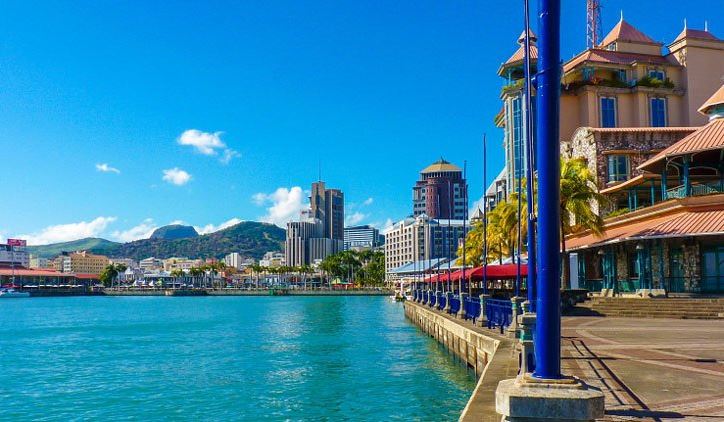
10. Port Louis, Mauritius
Port Louis is the capital and largest city of Mauritius, an island country off the south-east coast of Africa. It is also the country’s political, economic, and cultural center. Managed mainly by the Public Health Department of Port Louis under the aegis of the Municipal City Council, the city is impressively tidy with numerous state-of-the-art monuments and buildings. According to air purity stats, the city is said to compete only with Scandinavian cities.
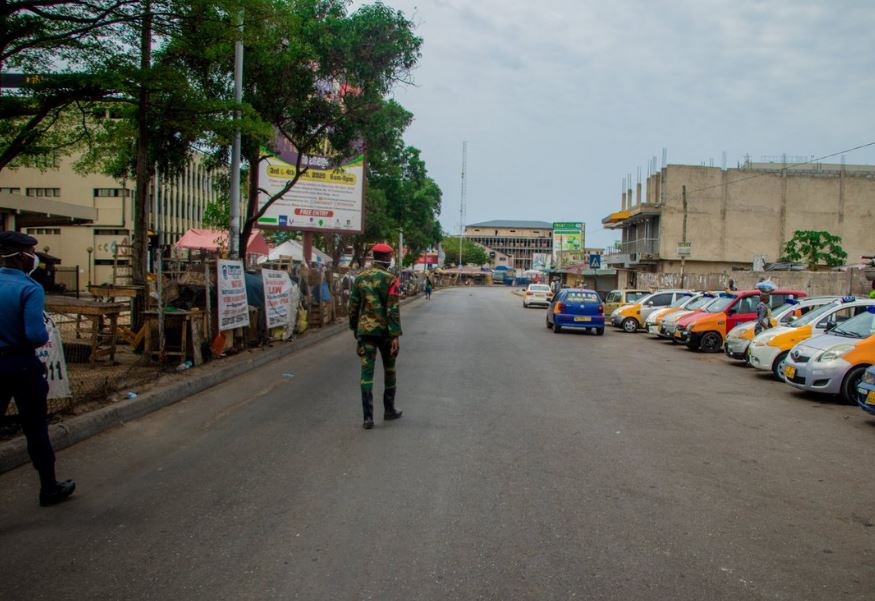
Accra is one of the cities that line up on the West African Atlantic coast and the only one among them that made this list. Although, like most other West African cities, Accra was once notorious for accumulating waste, this is fast becoming a thing of the past. With the tireless work of the Accra Environmental Committee, the city was one of the cleanest in Africa in 2020. Credible sources are also projecting that the city could actually top the list soon due to a special World Bank intervention to this effect.
A street of Accra during the COVID-19 lockdown: Image credit
8. Nairobi, Kenya
The largest as well as the capital city of Kenya, Nairobi is also known as “the Green City in the Sun” due to its enlivening mix of natural features like open fields such as the Uhuru National Park, forests like the Kaura Forest as well as several highlands. Traffic congestion used to be a big issue in Nairobi. But it has been largely eased due to a new prevalent habit among the citizens of walking or cycling as opposed to driving. This has also helped to reduce carbon emission to a great extent.
Apart from occupying the 8th slot on this list, the capital city of Tunisia is also the second cleanest city in North Africa. The city’s environmental hygiene hinges on its reliance on renewable energy sources such as solar energy, wind energy, hydroelectricity, and biofuels. For instance, it is very common to find electric-powered cars on the streets of the city. Thus, carbon emission is highly reduced.
We had hoped that if any South African city would make this list then it would have to be Johannesbourg. But, most South Africans disagree with this, giving the position to Port Elizabeth instead. Some even claim that Pretoria also deserves the position more than Joburg.
A Port Elizabeth Street during the COVID-19 lockdown: Image credit
5. Gaborone, Botswana
Gaborone is the capital city of the southern African country of Botswana, one of the world’s top exporters of diamond. Unlike some African countries where a fight over abundant natural resources has been the order of the day, messing up a lot of things, Botswana is known as one of the most peaceful countries on the continent. This has a positive boomerang on the country’s capital city that is not only naturally endowed but also well managed.
Due to the beauty and cleanliness of Algiers, the city has been nicknamed as ‘the Paris of Africa’. Apart from the Government embarking on a massive development of exquisite parks in the city, it is also implementing elaborate programs to combat air pollution and erosion.
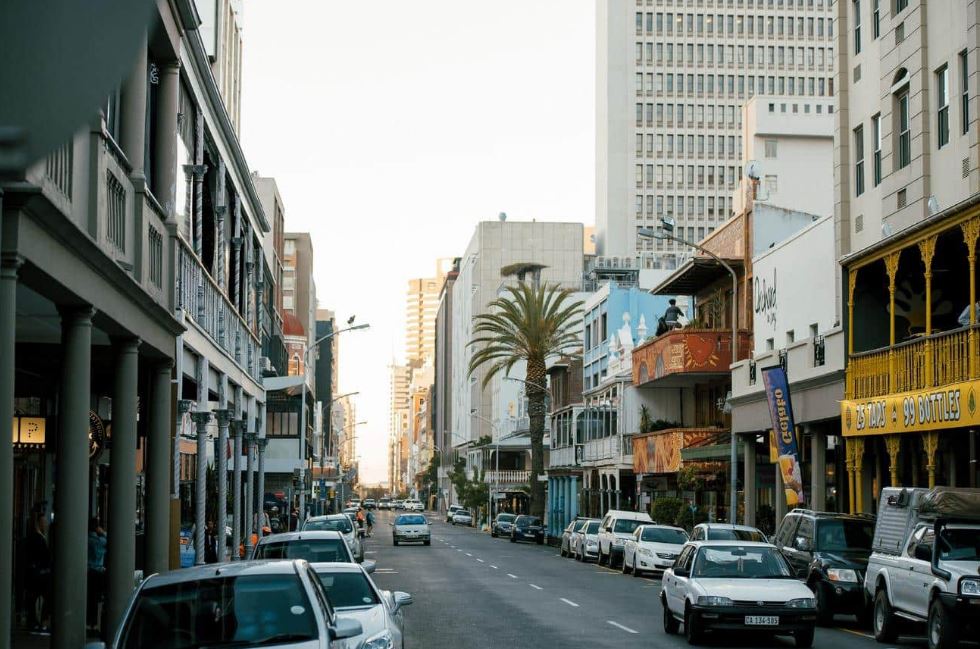
Apart from being one of the cleanest cities in Africa, South Africa’s legislative capital city Cape Town is also a famous global tourist destination, competing with some of the world’s best cities in terms of beauty, order, and development. However, on this list, it has been able to make the third slot when it comes to cleanliness.
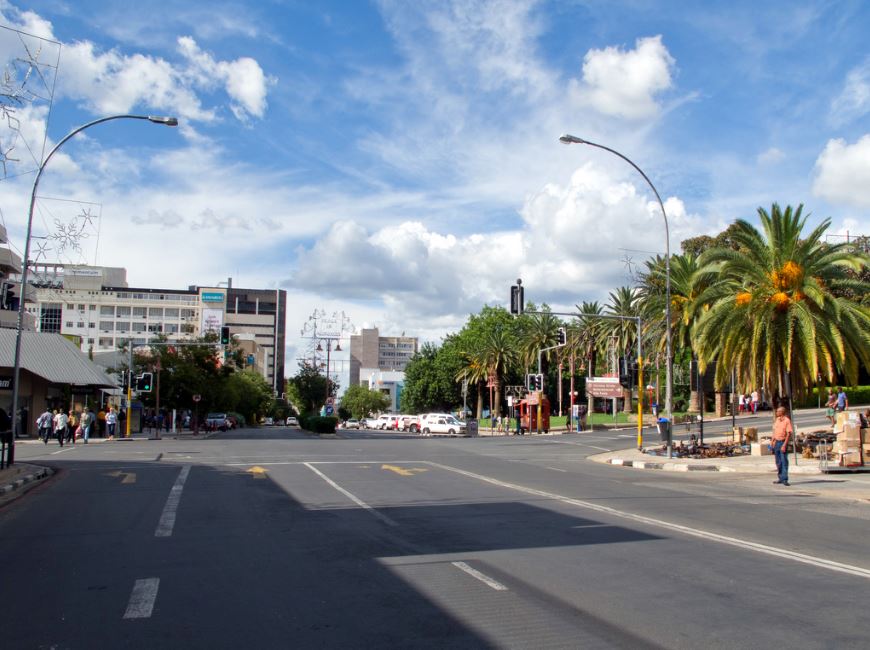
Namibia is one of the youngest nations in Africa, having obtained full independence from South Africa only in 1990. The fact that Namibia’s capital city Windhoek made the second slot on this list is a clear indication that the country is making good use of its youthful vigor which, unfortunately, is not the case with Africa’s youngest nation, South Sudan.
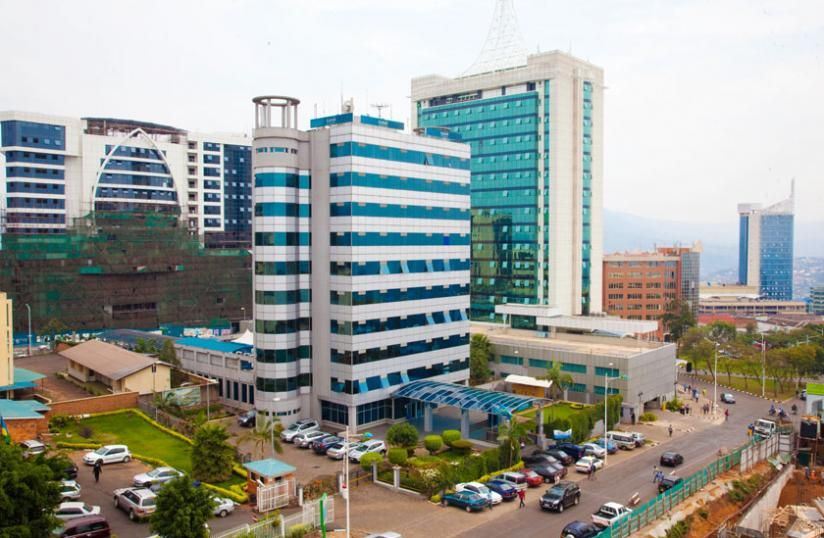
Sources after sources and all kinds of opinions we sourced kept placing Kigali ahead of its peers as the city setting the standard for urban hygiene in Africa. Cleaning services go on around the clock and the city dwellers have been oriented in such a way that throwing even a tiny stick on the street is viewed with great consternation. Some people even insist that Kigali may be the cleanest city in the world too. That’s really remarkable for a landlocked country that emerged from the ruins of a long-drawn civil war only in the 1990s.
It’s often said that “beauty is in the eyes of the beholder”. So, when it comes to determining what are the ten most beautiful cities in the world, opinions will certainly vary. However, there are cities that seem to turn up in viewpoints after viewpoints as being among these iconic cities.
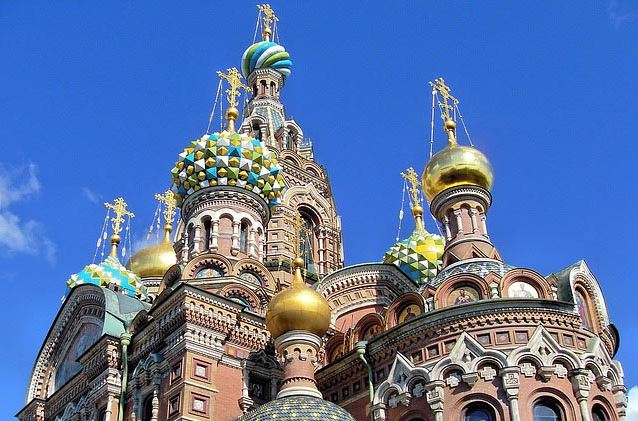
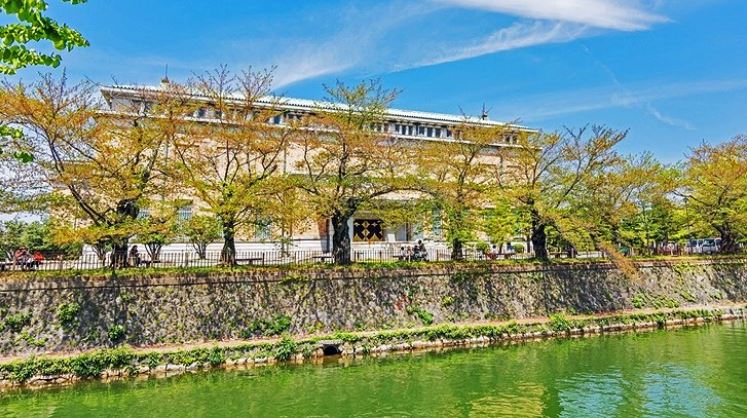
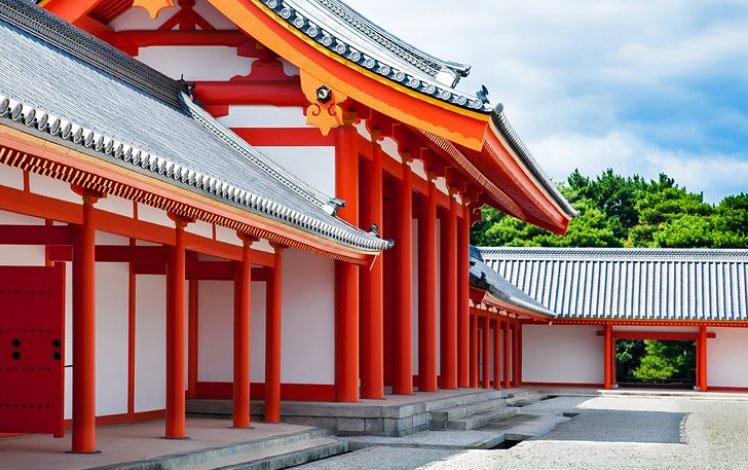
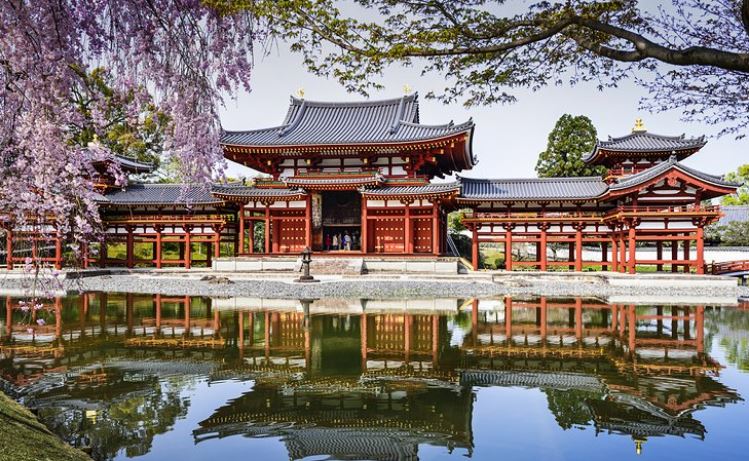
We have gone through these opinions and have determined that the 10 cities most people agree are among the 10 most beautiful are: St. Petersburg in Russia, Kyoto in Japan, Queenstown in New Zealand, Florence in Italy, Venice in Italy, Cape Town in South Africa, Charleston South Carolina in USA, Jaipur in India, Singapore City in Singapore, and Amsterdam in Netherlands. This list is developing gradually as the photos roll in:
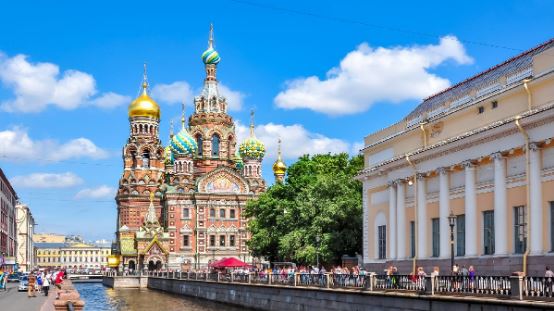
1. St. Petersburg, Russia
Church of the Savior on Spilled Blood, St. Petersburg
A skyline from St. Petersburg State University
2. Kyoto, Japan
The Kyoto National Museum and Municipal Museum of Arts
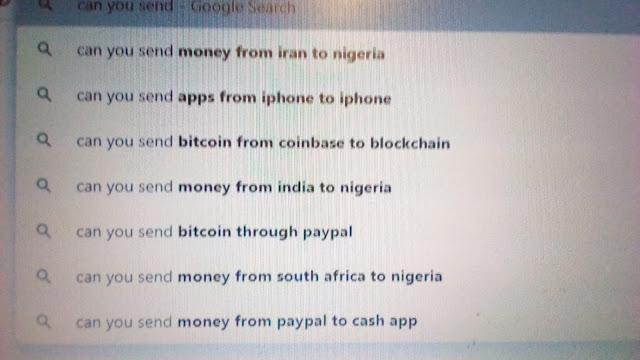
Some weeks ago, a casual online researcher stumbled on what may become a trans-continental security goldmine. She was trying to Google up information on whether it would be possible to send a file between two apps. She had only typed “can you send..” and the next thing she saw was Google Predict having top on the list “can you send money from Iran to Nigeria” as you can see here (maybe, you can try it yourself after reading through this):
Why Is This An Issue Worth Our Attention?
If you have the simplest understanding of how Google Predict works, you will realize how much of an issue this is. It means that there is a very high volume of individuals seeking to send money from Iran to Nigeria; so much that if you only type “can you send…”, you see it talking of sending money between two unlikely countries.
Yes, that’s what makes it even more of an issue: The fact that Iran and Nigeria doesn’t have a lot in common. Iran is not one of the places where you have a large population of the Nigerian diaspora. There is also not any significant bilateral or trade relationship between the two countries. Even in terms of religion, the brand of Islam dominant in both countries are not the same. So, why is there such a huge volume of online traffic seeking to send money from Iran to Nigeria?
There Were Other Strong Indications Before This
Lest it begins to appear like we are only crying wolf, there have been other strong indications that such sponsorship was going on only that those cases may not have been as obvious as the case stated above.
In July 2019, an aide to the Nigerian President had tweeted an accusation to this effect:
I hope those who receive funding from Iran to keep the Shiites, including their school age children on the streets, will be held accountable for the needless deaths of a Police Officer, a Promising Youth Corper and some youngsters of the sect. #EveryLifeMatter@adeyanjudejipic.twitter.com/mzmZHhTYFE
The tweet did not give details though. But, five months after it was made, it seemed quite justified: a group of Nigerians in Nigeria were protesting the killing of an Iranian General in Iran (allegedly by the United States). What’s the connection here? Were those protesters standing up for their paymasters? For us, it seems more than likely.
Why The Google Find Is Even More of An Issue
All the while, the indications probably pointed to a high-profile (government-involved) sponsorship of this nature from Iran. But the Google find shows that it is far more profound than that. It shows that such a sponsorship may have become a whole movement involving millions of people at personal levels.
Well, we have not made any conclusion about this. We only think that the indications are strong enough to worth serious considerations. And we would appreciate anyone who has any fact to further substantiate or lampoon our stated point of view.








 TYM Travel Magazine